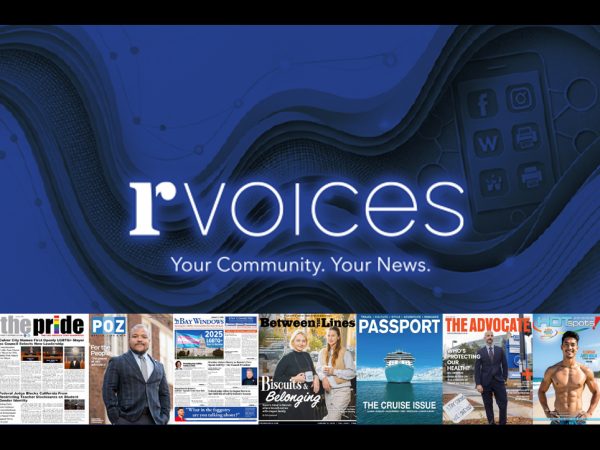
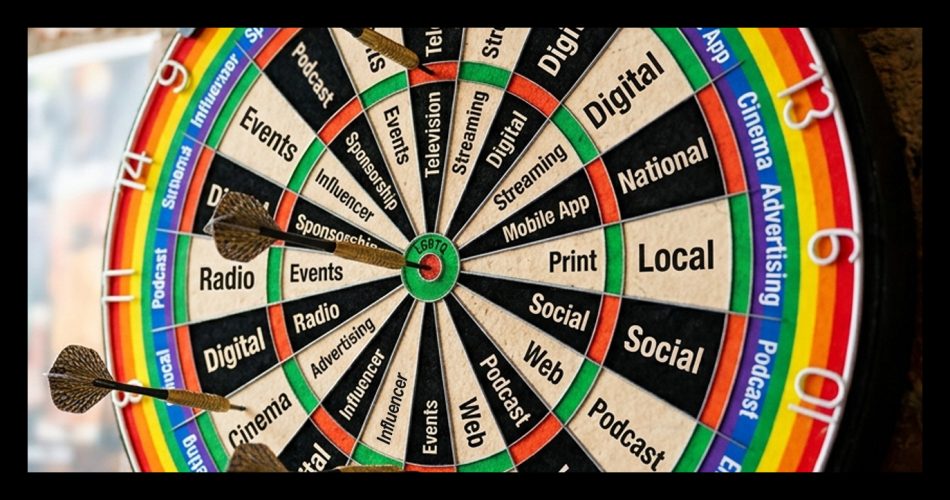
LGBTQ media offers advertisers a uniquely efficient way to reach highly engaged consumers. Why settle for limited reach when you can approach full audience penetration?
Recent analysis published in MediaVillage revealed that nearly 90% of the 7,000 campaigns studied achieved less than 20% reach. This is striking, given that many brands actively seek defined consumer segments—such as trendsetters, urban audiences, specific income groups, and lifestyle categories. Ironically, these same segments often overlap significantly with LGBTQ consumers, yet brands frequently overlook LGBTQ media as a primary channel.
LGBTQ media—across print and digital platforms—functions as one of the most targeted and efficient information channels available. Unlike general-market media, it is clearly identifiable, highly targeted, and largely insulated from incidental exposure. There is no broadcast television component, and most LGBTQ digital platforms are extensions of established print brands. As a result, the audience is intentional and self-selecting, delivering an exceptionally high concentration of genuinely interested consumers. Advertisers are not paying for wasted impressions.
The effectiveness of LGBTQ media is especially evident in categories such as healthcare. For example, awareness and adoption of PrEP (HIV prevention) would have been significantly slower and more costly without LGBTQ media serving as the primary conduit for education and engagement. While television campaigns can broaden reach, they do so at a much higher cost and with considerable audience dilution—often missing the consumers most in need of the message.
For brands seeking consumers who are engaged, trend-driven, frequent travelers, spirits purchasers, or those with higher discretionary income—particularly male audiences—LGBTQ media should be a strategic priority. Advertising in this space delivers near-total relevance, strong cost efficiency, and the added benefit of directly supporting the community you aim to reach.